


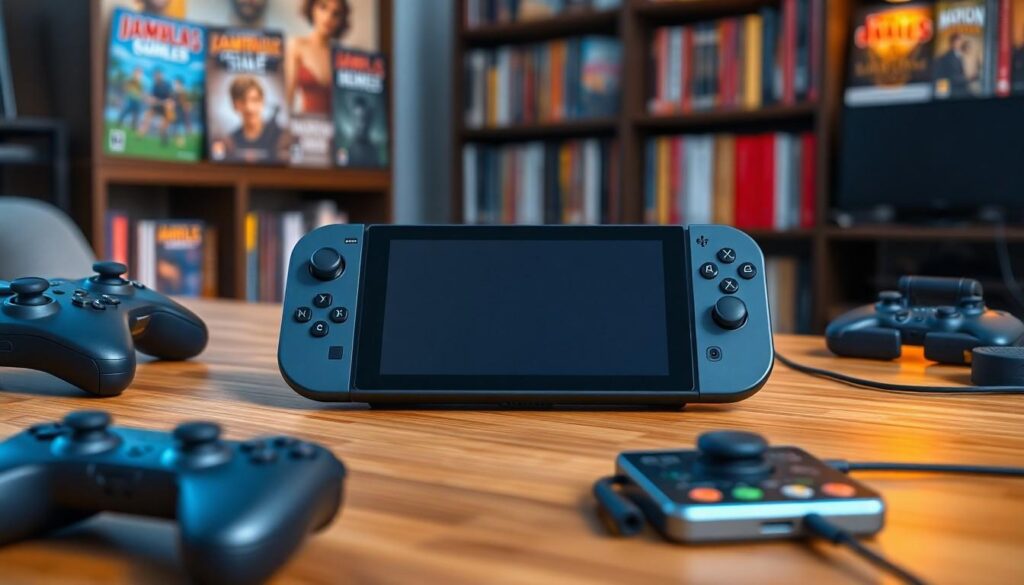
In the ever-evolving world of portable gaming, the Steam Deck made quite a splash, but what if there’s something even better lurking in the shadows? Imagine a device that combines power, versatility, and a sprinkle of magic—yes, magic! Gamers everywhere are on the hunt for that elusive gadget that promises to elevate their gaming experience to new heights.
Overview of Gaming Handhelds
Portable gaming devices have gained significant traction in recent years. Gamers seek advanced technology that offers versatility and enhances their overall experience.
The Rise of Portable Gaming
Demand for portable gaming has surged, driven by advancements in hardware and software. A diverse array of handheld consoles now provides immersive experiences. Gamers prefer devices that enable them to play high-quality titles on the go. With platforms like the Steam Deck breaking ground, competition has intensified, encouraging manufacturers to innovate. Portable gaming appeals to a broad audience, from casual players to dedicated enthusiasts.
Key Features to Consider
Performance remains a primary consideration for handheld gaming devices. Graphics capabilities rank high on the list, allowing rich visuals and fluid animations. Battery life directly impacts gameplay duration, making longevity essential for mobile gamers. Display quality enhances user experience, so sharper screens with vibrant colors attract attention. Connectivity options also play a vital role; fast internet access supports online gaming with minimal lag. Customization features can further improve gameplay, catering to individual preferences and enhancing overall satisfaction.
Comparing Performance

Performance remains a critical factor when assessing gaming devices. Evaluating processing power and graphics capabilities provides insight into alternatives to the Steam Deck.
Processing Power
Processing power significantly influences gaming performance. Devices that utilize AMD Ryzen chips deliver superior processing speeds, enabling seamless gameplay. Optimally, these processors handle demanding titles without lag. For instance, some competitors sport octa-core processors, which enhance multitasking and overall responsiveness. This advancement allows gamers to switch between applications effortlessly, creating a smooth user experience. Furthermore, efficient cooling systems in these devices prevent overheating during intense gaming sessions, ensuring sustained performance even under pressure.
Graphics Capabilities
Graphics capabilities play a pivotal role in elevating gaming visuals. High-resolution displays support 4K gaming, offering incredibly sharp images. Devices that feature dedicated GPUs outperform those relying solely on integrated graphics. Many alternatives boast support for ray tracing, allowing for realistic lighting effects, shadows, and reflections. Additionally, increased frame rates provide smoother animations, reducing motion blur. A strong emphasis on display technology, such as OLED screens, enhances color accuracy and contrast, enriching the overall gaming experience. Consequently, these advancements raise the bar for portable gaming, inviting gamers to explore richer visuals and immersive environments.
Design and Usability
A well-thought-out design enhances usability and comfort in portable gaming devices. As gamers seek superior experiences, these elements play crucial roles in device selection.
Ergonomics and Comfort
Ergonomic design maximizes player comfort during extended gaming sessions. A well-angled grip allows for natural hand positioning, reducing strain. Lightweight materials contribute to portability, facilitating easy handling. Cushioned surfaces increase comfort, ensuring prolonged use without fatigue. Adjustable components allow customization for a better fit, making the device appealing to diverse users.
Build Quality
Build quality directly impacts durability and performance. High-quality materials resist wear and tear, ensuring longevity in gaming devices. Reinforced frames support the internal components, minimizing damage from accidental drops. Enhanced screen protectors guard against scratches, maintaining display integrity. Manufacturers focusing on stringent quality control ensure that the devices withstand intense gaming activities.
Game Library Accessibility
Game library accessibility plays a significant role in the gaming experience for portable devices. Gamers seek a broad range of titles, including exclusives and backward-compatible games, to enhance their enjoyment.
Exclusive Titles
Exclusive titles serve as a major selling point for gaming devices. Many leading manufacturers invest in unique games that are only available on their platforms. Notable examples include titles like “The Legend of Zelda: Breath of the Wild” and “God of War.” These exclusives often attract gamers seeking innovative experiences. Additionally, exclusive games often showcase a device’s full potential, highlighting its capabilities in graphics and performance.
Backward Compatibility
Backward compatibility allows gamers to enjoy older titles on new devices. This feature expands the game library significantly, offering access to beloved classics alongside new releases. Many gamers appreciate playing their favorite franchises without needing to keep older consoles. Systems that support backward compatibility often encourage brand loyalty, as players remain connected to familiar games while embracing new technology. Examples include platforms that allow access to a vast array of titles from previous generations, making the transition smoother and more enjoyable.
Battery Life and Portability
Battery life and portability play critical roles in the overall gaming experience. Gamers prioritize these aspects when considering devices that can sustain long sessions without constant charging.
Battery Performance
Battery performance significantly affects gaming enjoyment. High-quality devices offer 6 to 10 hours of playtime on a single charge, depending on usage and settings. In contrast to the Steam Deck, which averages around 2 to 8 hours, newer models with advanced power management may provide more gaming time. Efficient processors and optimized software enhance battery life, allowing players to dive into their games without frequently worrying about recharging. Additionally, quick-charging capabilities let users plug in for brief intervals, ensuring minimal downtime during gaming marathons.
Weight and Size Considerations
Weight and size matter for portability. Compact devices weighing around 1.5 to 3 pounds are easier to carry, especially during travel. Sleeker designs often lead to improved ergonomics without sacrificing performance. Comparatively, the Steam Deck weighs over 1.5 pounds, which can feel cumbersome during extended play. Smaller devices include well-engineered grips, enabling a comfortable hold for prolonged gaming sessions. Such weight and size factors significantly influence a gamer’s choice, balancing performance with easy transport for on-the-go fun.
Value for Money
Investing in gaming devices involves careful evaluation of their cost relative to features and performance. Many gamers prioritize value for money, assessing what each device brings to their experience.
Pricing Comparison
Pricing varies significantly among portable gaming devices, with more affordable options often providing competitive features. For instance, devices priced between $300 and $500 may offer comparable performance to the Steam Deck, making them attractive choices. High-end models can reach around $800, delivering exceptional graphics and processing power. Consumers frequently compare specifications, ensuring they get the best performance for their budget. Gamers especially notice how aspects like display quality and battery life influence overall pricing.
Overall Cost Effectiveness
Cost effectiveness hinges not only on the purchase price but also on long-term benefits. Gamers benefit from devices with robust battery life, reducing the frequency of replacements. High-quality build materials enhance durability, lowering maintenance costs. Many affordable devices now offer strong performance, rivaling premium models when gaming titles are considered. Additional factors include game library access and exclusive titles that can enhance enjoyment without incurring extra costs. Balancing these aspects significantly impacts the overall value received, making some devices more appealing than others in the long run.
Conclusion
The landscape of portable gaming is evolving rapidly and gamers are eager for devices that push boundaries. With advancements in performance graphics and design the next generation of handheld consoles promises to deliver an unparalleled experience. Features like superior battery life and extensive game libraries will play a crucial role in shaping consumer preferences.
As gamers seek that “magic” combination of power and portability it’s clear that the competition is heating up. Devices that prioritize comfort usability and cutting-edge technology will likely emerge as frontrunners. The future of gaming on the go is bright and filled with exciting possibilities that could redefine how players engage with their favorite titles.